
Diplomatic relations between the United States and South Africa reached a critical point Friday when President Trump announced the African nation would not be invited to the 2026 G20 Summit in Miami. The decision is linked to allegations about violence and discrimination affecting descendants of European settlers.
Trump’s announcement on social media platform X provided detailed reasoning, describing what he characterizes as human rights violations against Afrikaners and people of Dutch, French, and German ancestry in South Africa. The President’s statement included explicit claims about killings and property confiscation targeting white farming communities. He suggested these issues represent government-sanctioned persecution.
The context includes the recent G20 Leaders’ Summit hosted by South Africa in Johannesburg, an event the United States deliberately avoided. While numerous international leaders attended, including high-profile figures like Indian Prime Minister Narendra Modi, America maintained a complete absence. This boycott served as a clear diplomatic message about Washington’s concerns.
Additional tensions arose from disputes about the ceremonial transfer of G20 leadership responsibilities. Trump claimed that South African officials refused to properly conduct the handover with the US Embassy representative present at the closing event. South African authorities explained that they followed standard diplomatic procedures, completing the transfer at their international relations headquarters to accommodate the absence of an official US delegation at the summit.
President Ramaphosa characterized the exclusion as regrettable while affirming his government’s commitment to maintaining positive relations with the United States. Trump’s assertions about persecution and genocide of white farmers represent claims that have been extensively examined and rejected by the South African government, white leadership within the country, and independent fact-checkers. Despite consistent debunking, these allegations continue to appear in political statements and influence international diplomatic relations.
South Africa Faces G20 Exclusion Over Alleged Treatment of White Farmers
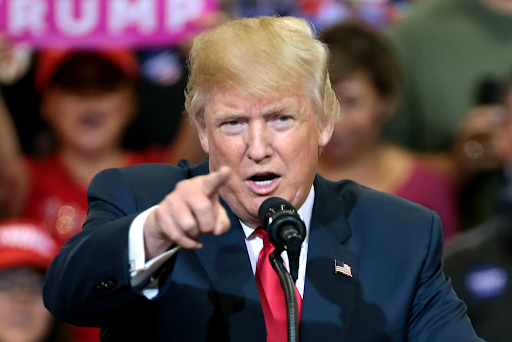
Picture credit: www.flickr.com
34
previous post