The European Parliament has taken decisive action by suspending the US trade agreement ratification process in response to President Trump’s threat of 10% tariffs conditional on European support for his Greenland acquisition. This move represents the most concrete material response Brussels has demonstrated against what European leaders have termed blackmail.
According to Bernd Lange, head of the European Parliament’s trade committee, no possibility for compromise exists while Greenland-related threats remain active. The suspended deal had promised to revolutionize American exports to Europe by establishing zero-percent tariffs across numerous industrial categories.
Despite the trade deal suspension, the EU’s commitment to purchase $750 billion in American energy remains fully operational. Lange confirmed this energy arrangement exists independently from the tariff negotiations, demonstrating Brussels’ selective approach to the crisis.
The diplomatic chill manifested visibly when Ursula von der Leyen, president of the European Commission, altered her travel plans following her parliamentary address. She cancelled a Davos detour that could have resulted in a Trump meeting, returning immediately to Brussels to prepare for an emergency summit.
The Thursday evening emergency gathering will address the full spectrum of potential countermeasures available to Brussels. Options include deploying €93 billion worth of retaliatory tariffs on American exports and activating an anti-coercion instrument never before used in practice. Originally designed to counter Chinese economic pressure, this nuclear option could enable the EU to restrict US businesses from accessing European markets. Potential targets range from technology giants like Apple and Netflix to cryptocurrency platforms, aircraft manufacturers, and agricultural exporters, though European leaders acknowledge consumers might face increased costs or limitations on American products and services.
Greenland Becomes Flashpoint in Escalating EU-US Economic Conflict
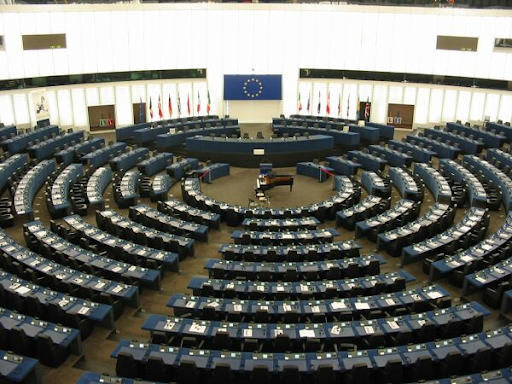
Photo by Cédric Puisney, via wikimedia commons
11