
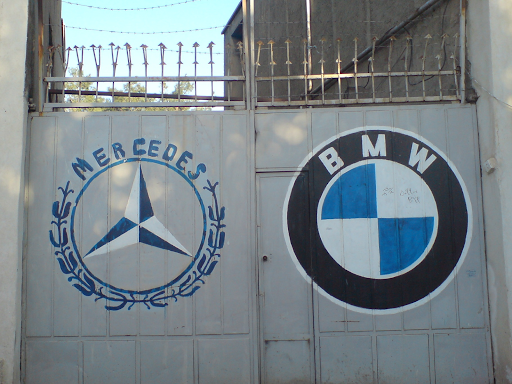
The Motability program, which provides subsidized transportation for disabled drivers, has announced a major strategic shift. The scheme will eliminate high-end vehicles from manufacturers like BMW and Mercedes-Benz while committing to source half of its fleet from British factories by 2035. This transformation represents a significant policy change for the decades-old program that has helped countless individuals with mobility challenges maintain their independence.
Chancellor Rachel Reeves welcomed the announcement, emphasizing that the initiative would create and sustain numerous well-compensated positions in the manufacturing sector. The timing of this declaration, just ahead of the government’s budget presentation, suggests coordination between public policy objectives and the scheme’s operational decisions. The move aligns with broader economic goals to strengthen domestic manufacturing capabilities.
The premium vehicles being removed represented roughly 40,000 units, approximately 5% of the 800,000 vehicles currently in the Motability fleet. Importantly, these luxury options did not impose additional costs on taxpayers, as disabled drivers covered the extra expense themselves. The scheme purchases vehicles directly from manufacturers and leases them to qualifying individuals, with some units specially modified for wheelchair accessibility and other adaptations.
Motability Operations, the entity managing the program, stated that eliminating premium brands would allow better focus on vehicles that truly serve disabled people’s requirements while ensuring value and purpose. The organization emphasized this decision creates opportunities for fresh investment in British automotive manufacturing. The scheme typically leases around 300,000 vehicles annually, meaning the 50% target would translate to approximately 150,000 British-built vehicles by 2035, compared to just 22,000 last year.
The British automotive industry stands to gain substantially from this commitment. Manufacturers including Nissan in Sunderland, Toyota in Derbyshire, and Mini in Oxford could see increased production demands. Nissan has already confirmed its UK-built vehicle orders from Motability will double. Industry observers note this could provide crucial support for an sector that has faced declining production numbers and facility closures in recent years, with output potentially falling below 700,000 cars this year following various disruptions.
Motability Scheme Pivots to British-Made Vehicles, Dropping Luxury Brands
Picture credit: www.commons.wikimedia.org
28