
The Bank of England’s rate cut to 3.75% is not operating in a vacuum. It is part of a broader economic landscape that includes the government’s recent interventions on energy costs. The Monetary Policy Committee noted that the government’s package to cut household energy bills is expected to lower inflation by half a percentage point in early 2026, giving them the room to maneuver on interest rates.
This coordination—whether accidental or designed—between fiscal support (energy bills) and monetary easing (rate cuts) is vital. Lower energy bills reduce headline inflation directly. This allows the Bank to cut interest rates without fearing that they are stimulating an overheating economy. It is a “pincer movement” aimed at crushing the cost-of-living crisis.
However, the timing is critical. The rate cut comes just as winter energy usage peaks. For households, the combination of slightly cheaper mortgage payments and government support on bills could prevent a financial disaster this winter. Chancellor Rachel Reeves highlighted this synergy, noting that while there is “more to do,” the pieces are falling into place.
The danger lies in the “one-off” nature of these interventions. The Bank acknowledged that shocks like tax rises have restrained progress, and energy subsidies can’t last forever. Once the support is withdrawn, the true underlying rate of inflation will be exposed. The dissenters on the MPC worry that when the dust settles, service sector inflation will still be too high.
For now, the strategy seems to be working. Inflation is down to 3.2% and falling. The interplay between energy prices and interest rates will define the first quarter of 2026. If both continue to drop, the UK might finally escape the stagflation trap that has loomed over the economy for so long.
Energy Bills & Interest Rates: A Two-Pronged Attack on Inflation
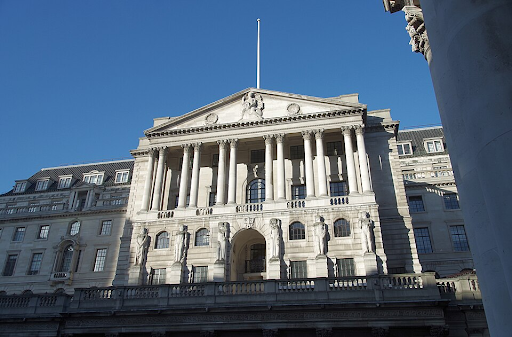
Photo by mattbuck, via wikimedia commons
20