
British government representatives have confirmed that securing a carbon linking agreement with the European Union remains their top priority, despite failing to achieve the anticipated pre-Christmas exemption from carbon border taxes. The unsuccessful negotiation means exporters will face detailed paperwork requirements starting in January, affecting approximately £7 billion worth of UK exports to the EU.
Brussels has confirmed that the carve-out from the carbon border adjustment mechanism will not be implemented by year-end, with industry sources predicting no relief before Easter 2025. A government spokesperson stated: “Our priority remains securing a carbon linking agreement as soon as possible, which would save UK industry from paying the charge on £7 billion worth of UK exports.” The mechanism requires comprehensive documentation of carbon emissions throughout manufacturing processes, covering numerous products made with steel and aluminium, household appliances, automotive components, fertilizer, cement, and energy.
The unsuccessful attempt to achieve a pre-Christmas agreement reflects political complexities within the European Union. The negotiation mandate received approval only in early December, making any rapid resolution impossible without extraordinary coordination across all 27 member states—many with varying degrees of interest in UK-specific trade arrangements. Government insiders are advising businesses to prepare for the mechanism’s implementation from January, with support available through the Department for Business and Trade.
Manufacturing organizations have warned of substantial impacts from both the administrative burden and competitive implications. Make UK describes the forthcoming documentation as “extensive,” while UK Steel’s Frank Aaskov characterizes the situation as having a “significant negative impact” with paperwork representing “quite a burden” especially for small and medium-sized enterprises. The financial dynamics in competitive sectors like steel magnify even modest cost increases—the €13 per tonne tax on hot rolled wire costing around €650 per tonne might seem negligible, but in markets where Chinese imports are highly competitive, cost differences as small as €5 per tonne can determine contract outcomes.
British steel producers already contend with 50% EU import tariffs introduced earlier this year. Negotiations will proceed through two stages: establishing terms of reference, then addressing emissions trading system compatibility. Although actual tax payments won’t be required until 2027 and could potentially be cancelled through successful negotiations, the immediate administrative requirements take effect in January. EU Climate Commissioner Wopke Hoekstra has characterized discussions as productive and suggested immediate costs will be minimal given Britain’s decarbonization progress, but emphasized the necessity of proceeding methodically through proper procedures.
UK Government Spokesperson Confirms Carbon Linking Agreement Remains Top Priority
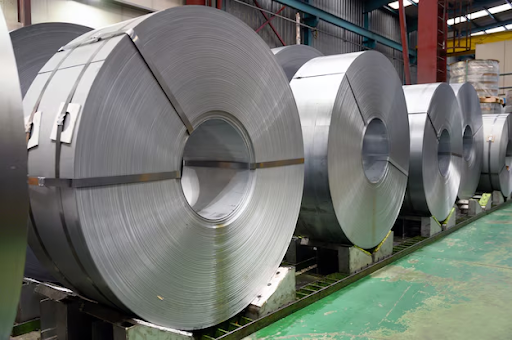
Picture Credit: www.freepik.com
21