Colombia is navigating a difficult dual role as it hosts a major summit between European and Latin American nations this week. On one hand, the Colombian Foreign Ministry is playing the part of a traditional host, managing diplomatic protocol, downplaying the absence of key European leaders like Ursula von der Leyen, and pushing for a consensus on the “Declaration of Santa Marta” concerning energy and food security.
On the other hand, the nation’s leader, President Gustavo Petro, is acting as the summit’s chief agitator and the most vocal critic of a deadly US military operation. Petro has repeatedly and publicly condemned the US strikes on alleged drug vessels, which have killed over 60 people, as “extrajudicial executions.” His criticism is deeply personal, as he has confirmed that at least one Colombian was killed and another is a survivor, placing his nation at the center of the controversy.
This dual role is creating a tense and unpredictable atmosphere at the two-day gathering in Santa Marta. While Colombian officials are highlighting the presence of Spanish Prime Minister Pedro Sánchez and Brazilian President Luiz Inácio Lula da Silva, the host’s own fiery rhetoric ensures the US military action will be the dominant theme, regardless of the official agenda. This focus is a “priority for several regional leaders,” according to policy experts.
The situation is further complicated by the position of other key attendees. Brazil’s President Lula, for example, is attending with his own security-focused agenda. His government has stated his presence is a show of “regional solidarity with Venezuela,” which is facing military threats from US President Donald Trump. This aligns with Petro’s anti-interventionist stance and further isolates the official summit goals.
As a result, Colombia finds itself in a unique position. It is trying to shepherd a multilateral agreement on economic and environmental cooperation while simultaneously leading a regional charge against the military actions of a key (though uninvited) hemispheric power. How it balances these two objectives will likely define the summit’s success or failure.
Host Nation Colombia in Dual Role: Summit Organizer and Lead US Critic
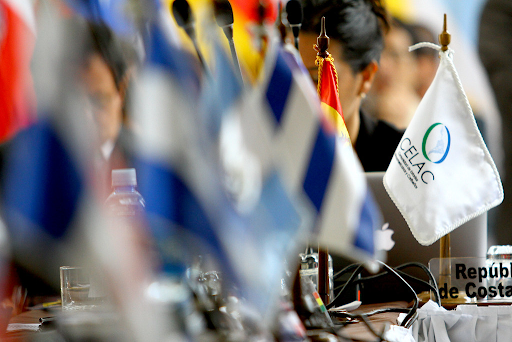
Picture Credit: www.flickr.com
35