Two months into Germany’s new government, Chancellor Friedrich Merz’s conservative CDU/CSU alliance is seeing rising voter approval, while the Social Democratic Party (SPD) continues to lose ground. The SPD, once a pillar of post-war German politics, is facing existential questions after suffering its worst federal election result since 1887 and now polling at just 13%.
In contrast, the CDU/CSU has climbed to 30% support in the latest ARD Deutschlandtrend poll, with Merz’s leadership seen as more effective in addressing defense, economic, and social issues. The far-right Alternative for Germany (AfD) follows at 23%, while the Greens and the Left Party remain steady at 12% and 10%, respectively.
The SPD’s traditional image as a “party of peace” is also eroding. Only 11% of voters now associate it with peace policy, compared to 31% for the CDU/CSU. Debate within the SPD ranks reflects deeper tensions — between calls for diplomacy with Russia and support for Defense Minister Boris Pistorius’ push to make the Bundeswehr “war-ready.”
Support is growing for reintroducing compulsory military or civilian service for both men and women, with 73% of Germans saying more soldiers are needed and 62% backing reinstated conscription. However, younger citizens under 35 remain skeptical.
Despite the increased focus on security, most Germans cite immigration (33%), the economy (21%), and social inequality (16%) as top concerns. Public frustration over social injustice is at a 15-year high, particularly over the widening wealth gap and perceived imbalances in tax and welfare systems.
Unemployment benefits — currently €563 for individuals — remain a flashpoint. While most consider existing sanctions on those refusing jobs appropriate, the CDU is pushing for stricter enforcement. In contrast, the SPD emphasizes training and integration rather than rapid placement in low-wage jobs, exposing a core policy rift.
This tension highlights a broader debate over the future of Germany’s welfare model, with the public divided between cost-cutting efficiency and long-term investment in social inclusion.
Chancellor Merz Gains Ground as SPD Struggles in Germany’s Shifting Political Landscape
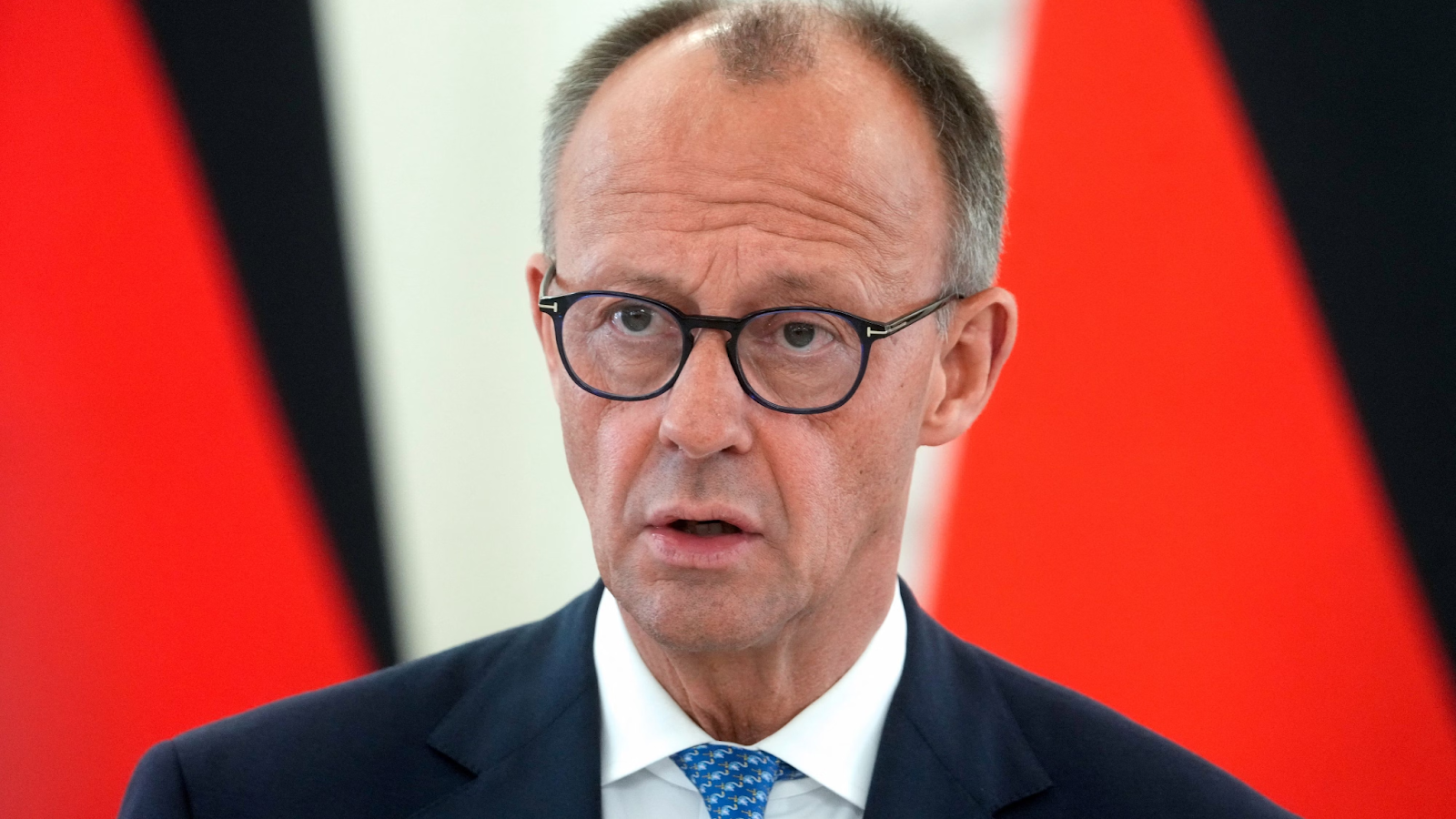
Picture Credit: www.heute.at
73