
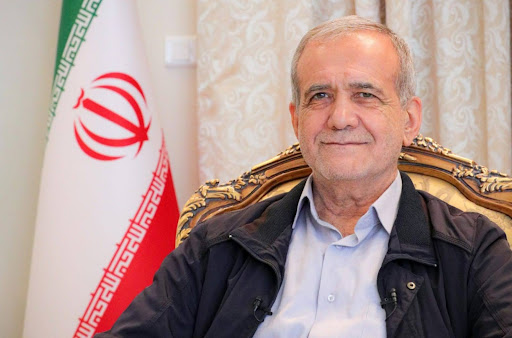
Iranian President Masoud Pezeshkian struck a dual tone this week, delivering a military warning to Gulf nations while simultaneously expressing diplomatic openness through Pakistan’s mediation channel. On social media platform X, he warned Gulf states that allowing US and Israeli military operations from their soil puts their own security at risk. In a conversation with Pakistan’s Prime Minister Shehbaz Sharif, he emphasized trust as the gateway to peace.
Gulf nations including Saudi Arabia, the UAE, Kuwait, Oman, and Qatar have become caught in the war because of US military bases from which strikes against Iran have been launched. Tehran has retaliated with strikes inside those countries, making the entire Gulf region a theater of an active and dangerous war. Gulf governments face increasing pressure to manage both their American military relationships and Iran’s escalating warnings.
Pezeshkian was clear about Iran’s military policy: no preemptive strikes, but decisive retaliation for attacks on Iranian economic or infrastructure assets. He urged Gulf leaders to refuse to host foreign military operations and to reclaim their sovereignty. His dual message suggests a country that is firm in its military posture but genuinely open to negotiated solutions.
Pakistan’s Prime Minister Sharif shared that Pezeshkian views trust as the essential foundation for any formal talks to begin. Pakistan is hosting the foreign ministers of Saudi Arabia, Egypt, and Turkey in Islamabad for focused discussions on de-escalation pathways. Iran has commended Pakistan’s honest and constructive approach to the mediation process.
Pakistan’s Ishaq Dar will lead the discussions and facilitate meetings with Prime Minister Sharif. The parallel tracks of military confrontation and diplomatic engagement reflect the complex reality of the Iran-US conflict. Whether the Islamabad meetings can build the trust that Pezeshkian has set as a precondition for peace talks will be a key test of regional diplomacy.