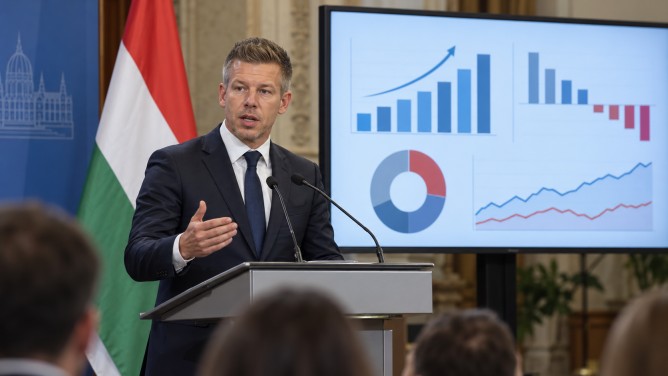
Hungarian Prime Minister Péter Magyar has unveiled a proposed budget for 2027, targeting a deficit of 4.9% of the gross domestic product (GDP). The budget plan introduces significant changes, including expanded social benefits, increased public-sector salaries, enhanced healthcare funding, and adjustments to income and corporate tax policies.
Under this proposal, family allowances would double, and the minimum monthly pension would see a substantial increase from 28,500 forints to 120,000 forints. Additionally, the 13th-month pension and the first weekly payment of the 14th-month pension are set to continue. The government plans to allocate 677 billion forints for salary increases benefiting over 600,000 public-sector employees. An additional 510 billion forints are earmarked for healthcare support, and municipal budgets would receive an extra 64 billion forints. There is also a plan to reduce the solidarity contribution by 62 billion forints and invest 100 billion forints in road maintenance and pothole repairs.
Tax reforms are a key component of the proposed budget. The personal income tax rate would be reduced from 15% to 9% on earnings up to the minimum wage, effective from January 1. However, the budget proposal introduces an income ceiling for mothers, setting it at one million forints per month, and excludes some mothers over 40 with two children from benefiting from tax exemptions.
To finance these initiatives, the government anticipates savings of 1,500 billion forints, plans to collect 200 billion forints through a wealth tax, and intends to raise the corporate tax rate from 9% to 11% for companies with annual revenues exceeding 180 billion forints. Additional savings of 246 billion forints are expected from concession fees.
The budget proposal has been met with criticism, notably from Fidesz politician Balázs Orbán, who argues that the changes would undermine existing family tax benefits. He contends that the proposed restrictions could negatively impact mothers over 40 with two children, as they might lose the anticipated full income tax exemption. Orbán also claims that these restrictions were introduced at the behest of Brussels.
The announcement has had immediate economic implications, as Hungary’s currency, the forint, strengthened following the budget’s presentation. However, analysts caution that these gains may not be sustainable in the long term.