
The modern working world has created a public health challenge that few people fully appreciate: the epidemic of sedentary behavior and its consequences for vascular health. While much attention has been paid to the metabolic effects of sitting — weight gain, metabolic syndrome, cardiovascular risk — considerably less focus has been directed at what hours of daily sitting does to the venous circulation in the legs. The effects are significant, progressive, and increasingly prevalent.
The deep venous system of the leg is designed to work in close partnership with the skeletal muscles of the lower extremity. During walking, running, or even simple standing with weight shifting, the calf muscles contract and relax rhythmically, physically compressing the deep veins and squeezing blood upward toward the heart. This muscle pump mechanism is not supplementary to venous return — it is essential to it. Without regular muscular activation, the venous system operates at a significant mechanical disadvantage.
During prolonged sitting, the calf muscles are largely inactive. The foot rests passively on the floor, the knee and hip are flexed, and the venous return system relies primarily on the valves within the veins and the respiratory movements of the thorax to maintain circulation. This is considerably less efficient than normal walking, and the consequence is a gradual accumulation of blood in the lower extremities during working hours. The swelling that appears around the ankles by afternoon is a direct reflection of this impaired return.
For individuals who sit extensively over years and decades, the cumulative effect on the venous system is substantial. Chronic venous hypertension from prolonged daily sitting gradually damages the vein walls and valves, accelerating the development of venous insufficiency. The problem is compounded by the fact that many desk workers are also more likely to be overweight — a condition that further increases venous pressure — and less likely to engage in the regular exercise that supports venous health.
The good news is that desk-related venous risk is highly modifiable with relatively simple changes. Regular movement breaks — even brief walks of two to three minutes every hour — substantially improve venous return and reduce the physiological stress on the venous system. Calf-raise exercises performed while seated activate the muscle pump without requiring mobility. For individuals with established venous symptoms, compression stockings and medical evaluation provide an additional layer of protection. The key is recognizing the problem and taking action before structural damage occurs.
How Sitting at a Desk All Day Is Damaging Your Leg Circulation
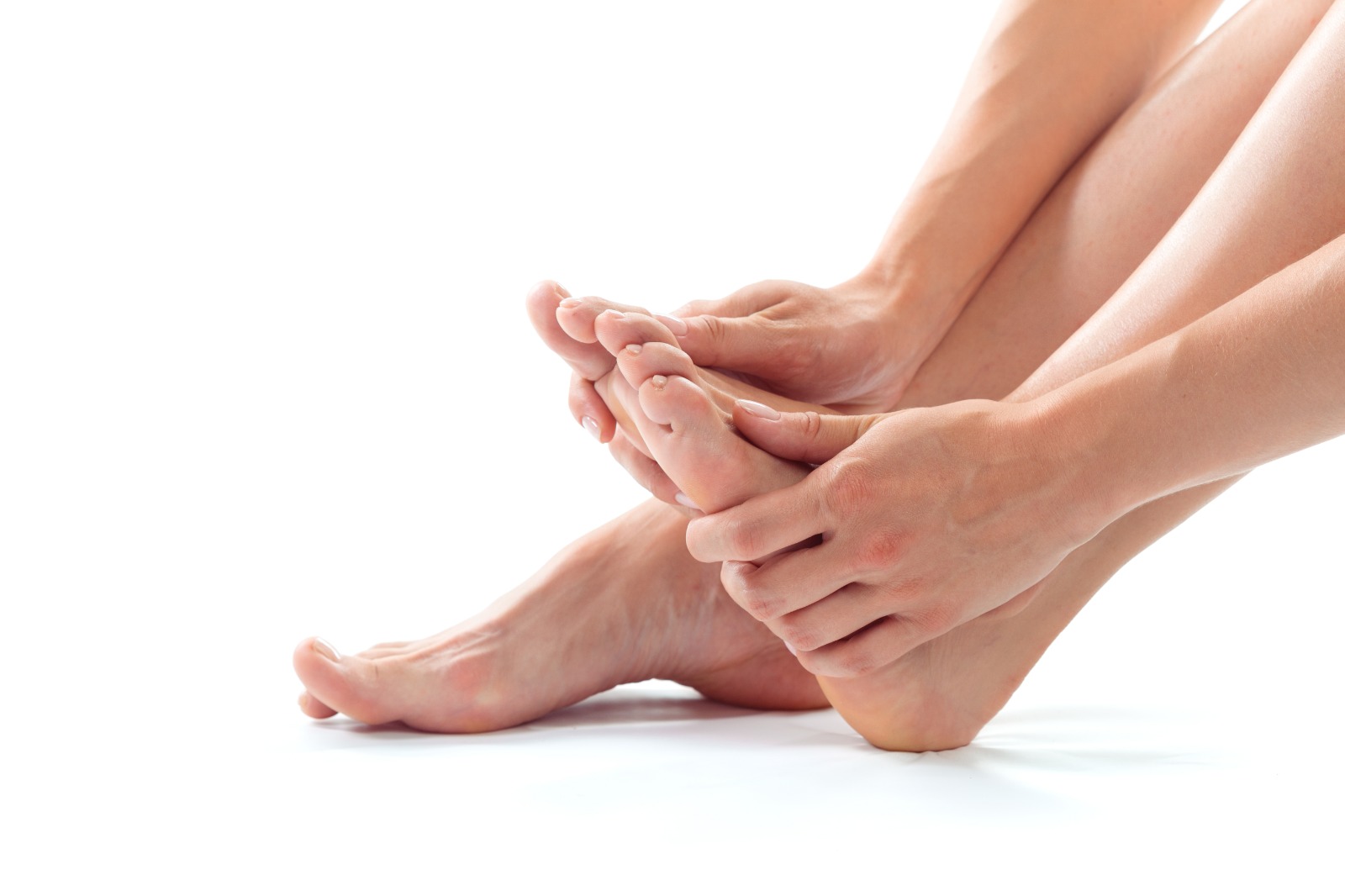
Picture Credit: www.freepik.com
25