
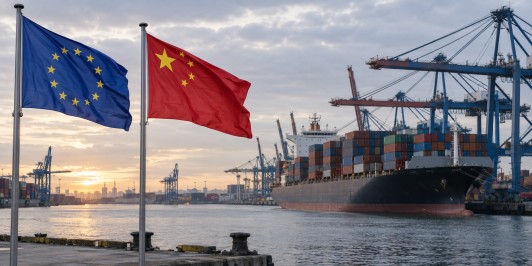
The European Union’s trade deficit with China widened substantially in July 2026, reaching €36.5 billion, according to Eurostat data. This increase comes as the EU imported nearly three times as much in goods from China as it exported to the country, highlighting ongoing trade imbalances.
EU imports from China experienced an 8% increase year-over-year, totaling €53.9 billion in July, while exports to China saw a decline of 1.6%, dropping to €17.4 billion. The trade deficit for the month rose from €32.3 billion in July 2025, marking a significant uptick in the economic disparity between the two regions.
Over the first seven months of 2026, the EU’s trade deficit with China reached approximately €234 billion, underscoring the persistent imbalance in goods trade. In response, European officials are contemplating measures to address this issue, particularly focusing on sectors such as hybrid vehicles and chemicals. These measures could involve targeting imports from China to encourage a more balanced trade relationship.
The surge in imports of hybrid vehicles from China follows the EU’s introduction of additional tariffs on Chinese electric vehicles in 2024, which created differing tariff treatments for hybrid models. As part of the efforts to manage trade tensions, EU officials have also pursued voluntary limits on Chinese hybrid vehicle exports.
As trade relations remain a critical agenda item, upcoming discussions between the EU and China will likely focus on increasing European exports and reducing dependency on Chinese goods, particularly in strategic sectors. Brussels is keen on negotiating terms that could lead to a more equitable trade environment, reflecting the growing pressure to recalibrate its economic ties with China.